Mount Lewotobi Eruption Disrupts Flights to Bali; Over 20 Flights Cancelled, Thousands Affected
Jakarta, June 18 (Reuters) – Air travel to and from Indonesia’s popular tourist destination Bali has been severely disrupted after Mount Lewotobi Laki-laki erupted, prompting the cancellation and delay of more than 20 flights and the closure of multiple airports.
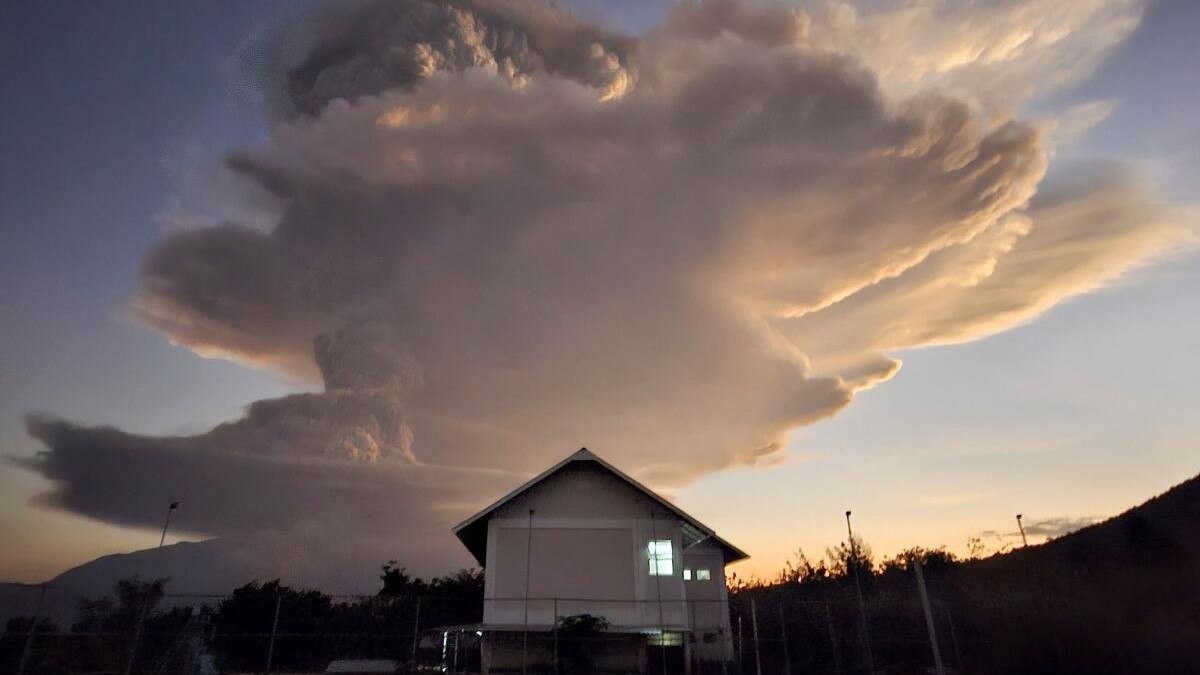
The volcano, located in East Nusa Tenggara province, erupted on Tuesday, spewing an ash column up to 11 kilometers (7 miles) into the sky. In response, the country’s volcanology agency raised the alert level to the highest. A subsequent eruption on Wednesday morning produced another ash cloud reaching 1 km (0.62 mile) high.
Indonesia’s Transportation Ministry confirmed that at least 26 domestic and international flights had been cancelled or delayed, impacting over 14,000 passengers. The disruptions included at least 14 flights originating from India, Singapore, and Australia, as shown on the Bali international airport’s website.
Singapore Airlines and its budget wing, Scoot, cancelled flights between Singapore and Bali as well as to Lombok. Similarly, JetStar, the budget arm of Qantas, called off several morning flights from Australia and warned of potential afternoon delays. JetStar said it expects the ash cloud to dissipate by tonight.
AirAsia Malaysia and AirAsia Indonesia also announced cancellations and rescheduling of several flights connecting Bali, Lombok, and Labuan Bajo.
Meanwhile, the government shut down three airports in East Nusa Tenggara, including Fransiskus Xaverius Seda in Maumere, prioritizing passenger safety. The closure will last until Thursday, the transportation ministry stated.
In addition to the travel disruptions, local authorities evacuated residents from two villages near the volcano. “Streets in the two villages were filled with thick ash, gravel, and sand,” said Avi Hallan, an official from the local disaster mitigation agency. Fortunately, no casualties have been reported.
Mount Lewotobi last erupted in May. Indonesia, located on the Pacific Ring of Fire, frequently experiences volcanic eruptions and seismic activity due to its position atop several tectonic plates.