


Credit Scores in India: What They Mean and How to Improve Yours
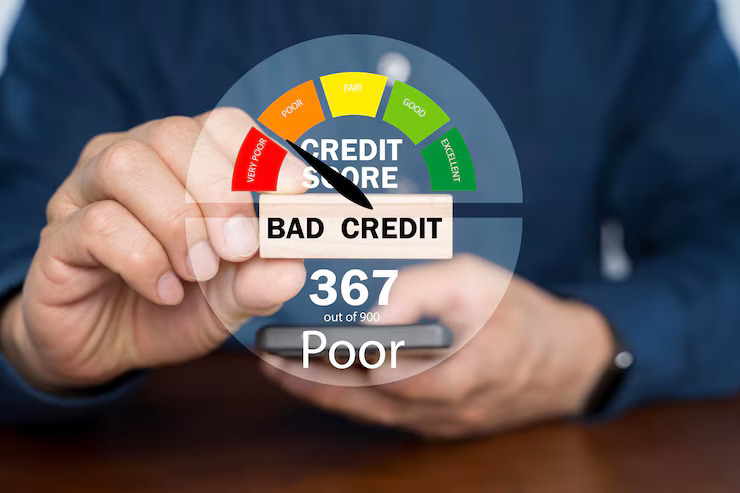
A credit score serves as a snapshot of your financial health, ranging between 300 and 900. In India, a score above 750 is typically considered favorable by lenders and significantly boosts the chances of loan or credit card approval. With tightening credit norms and fluctuating interest rates, understanding credit scores is now more important than ever.
A credit score is a three-digit number that represents your creditworthiness. It plays a vital role in how banks and financial institutions evaluate the risk of lending. According to the Reserve Bank of India (RBI), credit bureaus like CIBIL, Experian, CRIF High Mark, and Equifax assign scores within this range.
What Influences Your Credit Score?
Credit scores are determined by a combination of factors, including credit history, repayment behavior, credit mix, and current liabilities. Here are the major elements that impact your score:
| Factor | Impact on Credit Score | Tips to Maintain or Improve |
|---|---|---|
| Payment History | High impact; missed or delayed payments reduce the score | Ensure timely payment of EMIs and credit card bills |
| Credit Utilisation Ratio | High usage (above 30%) may negatively impact the score | Keep credit card usage low and repay dues regularly |
| Credit Mix and Duration | A balanced portfolio of secured and unsecured loans is ideal | Maintain long-term loans and diversify credit types |
| Hard Inquiries | Multiple loan or credit card applications in a short span can hurt the score | Avoid frequent applications; space them out wisely |
The RBI mandates that lenders must report consumer credit activity every 15 days. This means even one missed EMI can have a visible negative impact on your score and may affect future borrowing opportunities.
How to Check and Improve Your Credit Score
You are entitled to one free credit report each year from every authorized bureau. Reports can be accessed via the official websites of CIBIL, CRIF High Mark, or Experian India. Regularly reviewing your credit report can help detect any errors or unauthorized activity early.
If your score is currently low, consider the following steps to improve it:
- Pay overdue loans on time
- Reduce outstanding balances
- Avoid multiple credit inquiries
- Maintain a healthy credit utilization ratio
- Build a good mix of credit types
With consistent effort, scores can typically improve over 6 to 12 months.
Key Takeaways
- Credit scores range from 300 to 900; a score above 750 is ideal.
- RBI requires lenders to report credit data every 15 days.
- Free annual credit reports are available from all licensed bureaus.
- Missed payments, excessive borrowing, and high credit utilization can damage your score.
- Responsible credit behavior can significantly enhance your financial profile.
As India’s credit ecosystem evolves, a good credit score is quickly becoming essential—not just for individuals, but for small businesses and professionals too. It acts as a financial passport in the modern lending environment.
Disclaimer:
This article is intended for educational purposes and does not promote taking loans or credit. Mint has collaborations with certain fintech partners, and you may need to share your details when applying for credit. Always consult certified financial advisors before making credit-related decisions.


