Trust Trap: The Rise of Deepfake Scams Draining Millions
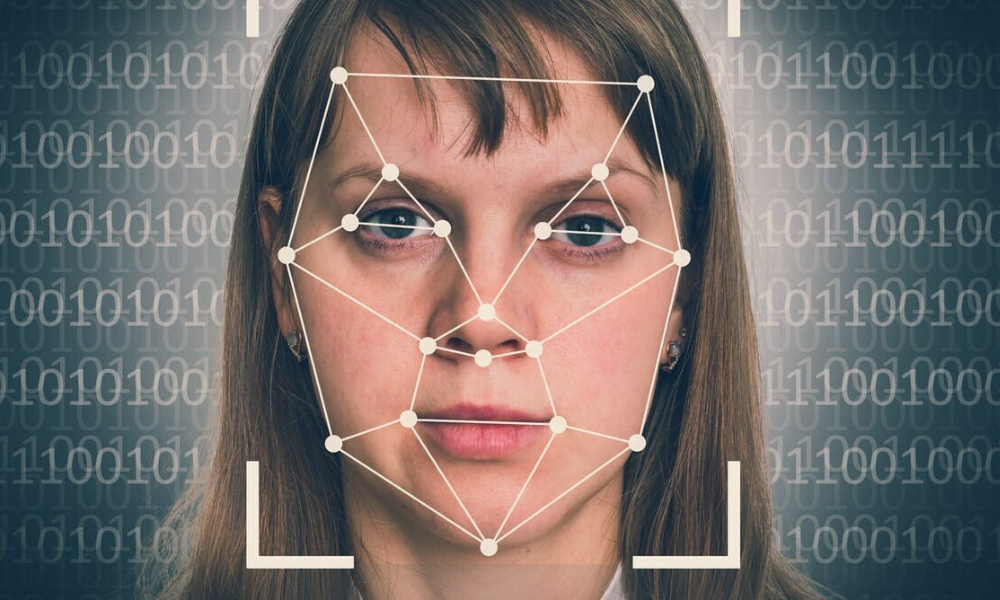
A growing wave of cyber fraud is exploiting deepfake videos to manipulate victims into surrendering money and personal data. In this edition of “The Safe Side,” we delve into how this sophisticated scam works and share expert advice on staying protected.
The Incident:
A woman in Argentina believed she was interacting with Hollywood actor George Clooney via Facebook. For six weeks, she exchanged video messages with what she thought was the actor himself. Eventually, “Clooney” convinced her to join a fan club by paying for a membership card promising work opportunities. She ended up transferring over ₹11 lakh before discovering, via the FBI, that the entire interaction was a deepfake scam.
What Are Deepfakes?
Deepfakes are AI-generated content—video or audio—that mimics real people using machine learning, face-swapping, and voice cloning. Scammers use these tools to impersonate known figures, including celebrities, CEOs, and family members, to trick victims.
Expert Insight:
- Dr. Azahar Machwe, AI and fintech specialist: “Deepfakes can replicate human features with alarming precision. They exploit facial expressions and vocal patterns to build false trust.”
- Manish Mohta, Learning Spiral AI: “Scammers use these videos to pose as executives or officials, pushing victims to disclose personal details or transfer funds.”
- Anuj Khurana, CEO, Anaptyss: “KYC fraud is on the rise. Criminals use deepfakes to bypass identity verification, allowing for account access and financial crime.”
- Venky Sadayappan, Cybersecurity Director, Arche: “These forgeries often slip past traditional email filters and appear on trusted platforms like Zoom or WhatsApp.”
How Scammers Build Deepfakes:
- Source material includes: social media photos, webinars, interviews, and audio from podcasts or calls.
- Minimal data is required—just a few seconds of audio/video can be enough.
- AI tools synthesize this data to create convincing fake personas.
Spotting Deepfakes: Red Flags
- Distorted facial details like hair, lips, and eyes.
- Unnatural video blurring or “melting” around the face.
- Poor voice syncing or emotionless tone.
- Unexpected content or claims—always verify.
- Gut feeling—if something feels “off,” trust your instincts.
Digital Hygiene Tips:
- Lock down your privacy settings on social media.
- Avoid posting clear photos/videos publicly.
- Use fewer face-altering filters.
- Regularly delete old content.
- Enable two-factor authentication on all platforms.
- Stay informed and report suspicious content promptly.
What To Do If You’re Targeted:
- Stay calm and avoid rash decisions.
- Report the incident to the police and cybercrime unit.
- Notify your bank or employer if relevant.
- Save all evidence—videos, messages, and transactions.
- Inform friends and family to prevent further damage.
- Issue a public statement if necessary.
- Never respond to blackmail—report instead.
- In India, report at: https://cybercrime.gov.in/
- For severe cases, contact CERT-In (India’s national cybersecurity agency).
Final Word:
If you fall victim to a deepfake, remember—you are not at fault. Cybercriminals are exploiting new technologies, and awareness is your strongest defense. Stay alert, stay safe.