


Ceasefire Declared by Trump, but Tensions Persist
U.S. President Donald Trump announced a “complete and total ceasefire” between Israel and Iran after 12 days of escalating war. The announcement followed Iran’s limited missile strike on a U.S. military base in Qatar in retaliation for American bombings of Iranian nuclear sites.
While Iranian state media confirmed the ceasefire, Israel has not fully acknowledged the truce. Israel’s Defence Minister Israel Katz accused Iran of violating the ceasefire just hours after it began and ordered renewed military strikes.
Missile Attacks Continue Despite Ceasefire
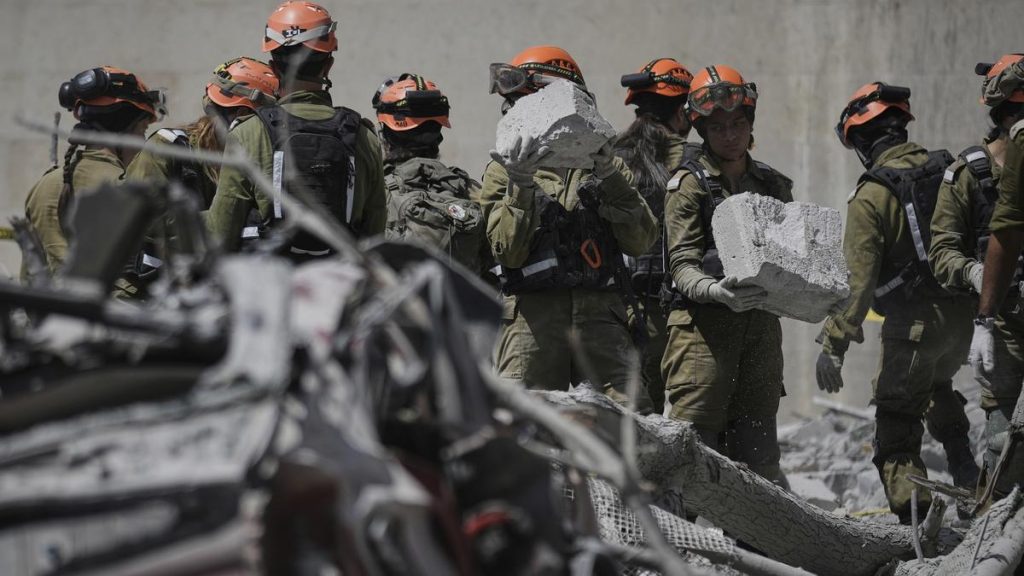
Missiles were reportedly launched from Iran into Israeli territory shortly after the ceasefire was to take effect. At least four people were killed in Beersheba, and rescue efforts are ongoing. Explosions were also heard in northern Israel, with air raid sirens triggered across several cities.
Iranian media reported Israeli strikes overnight in Gilan province, killing nine people, including nuclear scientist Mohammad Reza Seddighi Saber. Iran claims the attacks targeted residential areas.
India Launches Operation Sindhu to Evacuate Nationals
India has evacuated a fresh batch of 292 citizens from Iran, taking the total number of evacuees to 2,295. A C-17 aircraft also airlifted 165 Indians from Israel, with support from the Indian Air Force and Ministry of External Affairs.
Union Minister L. Murugan received the evacuees, emphasizing India’s ongoing commitment to citizen safety amid escalating regional conflict.
Airspace Closures and Travel Disruptions Across the Region
Flights across West Asia and South Asia faced severe disruptions:
- Israel closed its airspace after repeated Iranian missile attacks.
- Kannur, Kozhikode, Kochi, and Bengaluru airports reported major cancellations and diversions of Gulf-bound flights.
- Air India, IndiGo, and Air India Express suspended operations to the Middle East, Europe, and North America citing airspace safety concerns.
Qatar, Iraq Respond; Regional Reactions Emerge
Qatar condemned Iran’s missile strike on the Al Udeid U.S. base, summoned the Iranian ambassador, and reaffirmed its right to respond. No casualties were reported as Qatari air defenses intercepted the missiles.
Iraq, meanwhile, reopened its airspace following the ceasefire announcement. The Iraq Civil Aviation Authority confirmed coordination with international agencies for safe resumption of flights.
Global Responses to the Ceasefire
- EU Chief Ursula von der Leyen welcomed the truce and urged diplomatic engagement.
- Saudi Arabia applauded Trump’s efforts in securing the ceasefire.
- Oil prices dropped over 5% amid hopes of regional de-escalation, with Brent at $67.75 per barrel and WTI at $65.01.
- Asian and European markets rebounded on easing war fears.
NATO Summit Overshadowed by Mideast Crisis
President Trump arrived in the Netherlands for the NATO Summit just hours after announcing the ceasefire. The summit, initially focused on increasing defense spending among members, has shifted focus to the U.S.-led actions in Iran.
Despite the ceasefire, NATO leaders are expected to debate the broader implications of U.S. unilateral strikes and Middle East instability.
Ongoing Concerns: Israel-Hamas Conflict in Gaza
The humanitarian crisis in Gaza continues. At least 146 people were injured during Israeli drone fire on aid seekers in Nuseirat refugee camp. Hospitals in Deir al-Balah and central Gaza received dozens in critical condition. Over 56,000 Palestinians have reportedly died in the Israel-Hamas war, per Gaza health officials.
Conclusion: Fragile Peace and Continued Vigilance
Despite formal declarations, the ceasefire between Israel and Iran remains tenuous. Missile strikes, retaliatory statements, and conflicting reports from both sides suggest that peace may still be out of reach.
As the international community calls for restraint, the situation remains highly volatile with geopolitical ramifications continuing to unfold.